Shrubs
Are you looking for a beautiful and light - fear volley of red in the garden ? Coralbean is a showy , drought - resistant North American native shrub with crimson bloom . In this clause , we ’ll severalize you how to grow and care for coralbean in your garden !
Contents

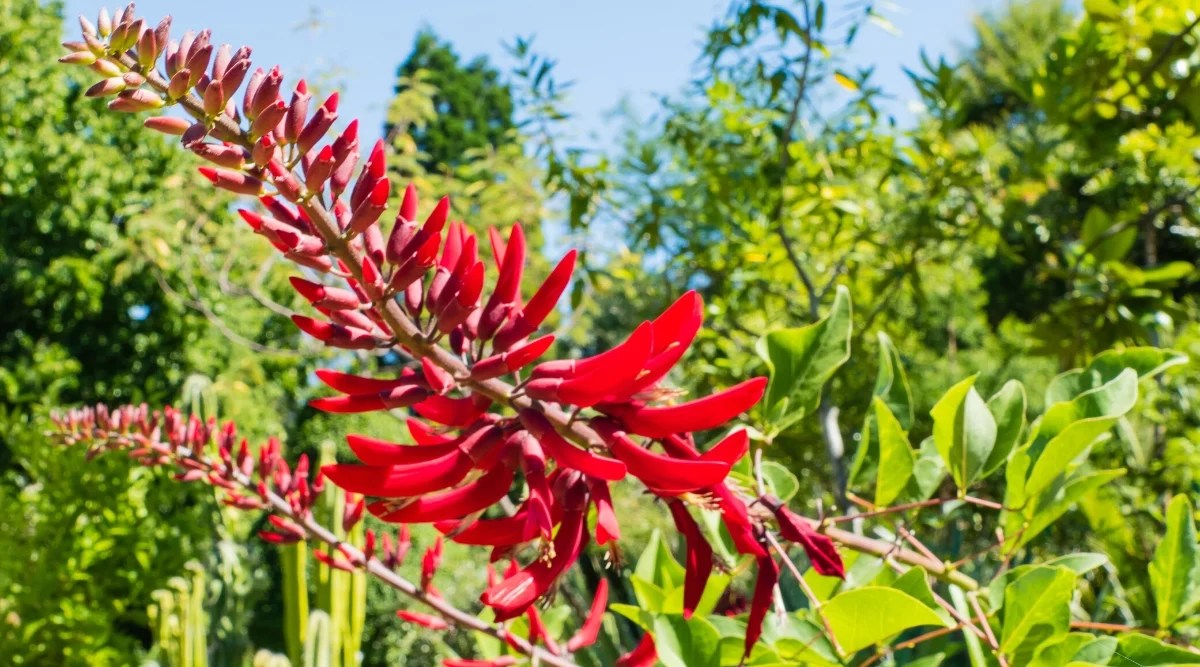
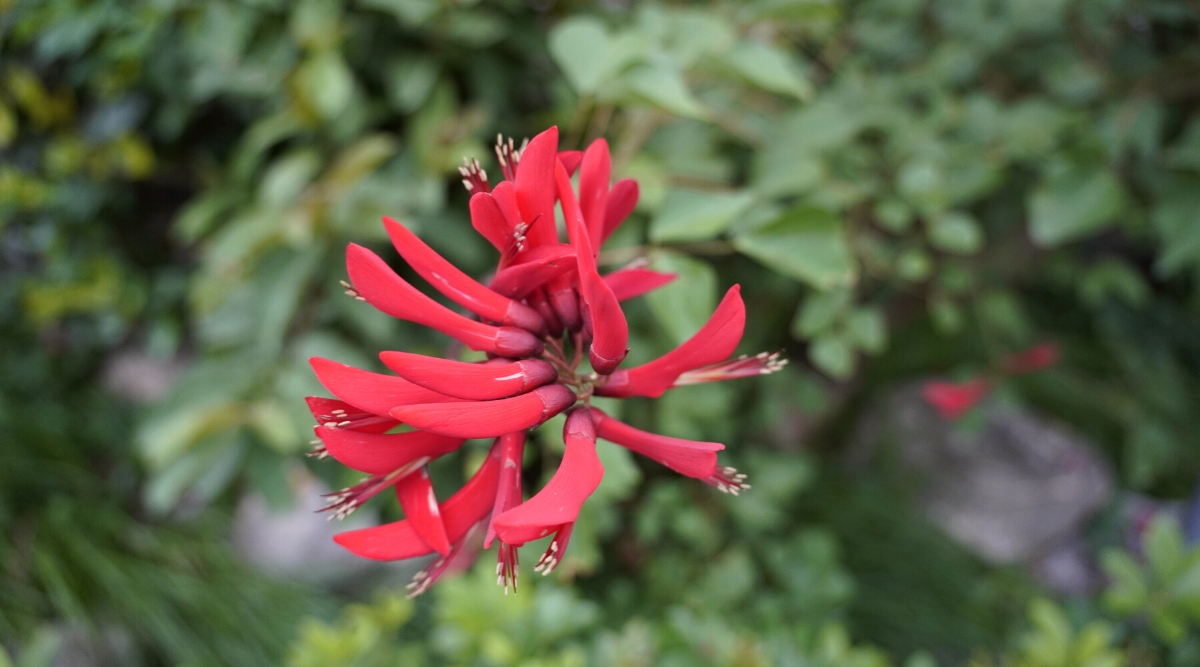
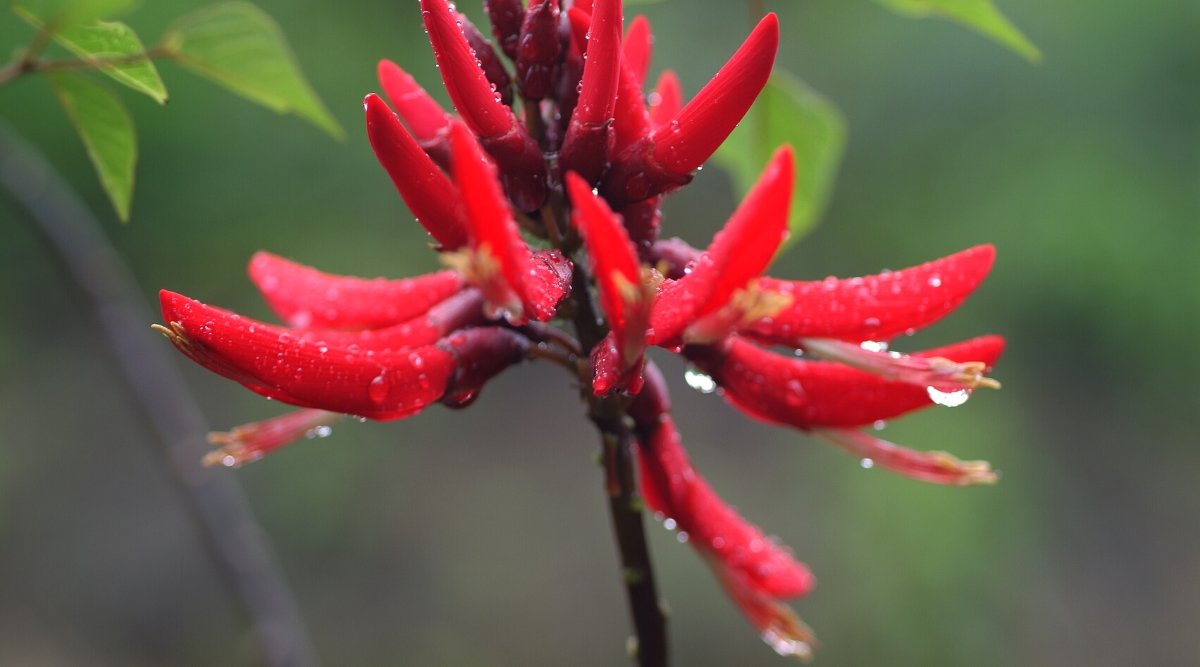
arise coralbean as a pretty bloom shrub that can be pruned or shaped into a small tree diagram . It produces sensational red tubular flowers , fix it anexcellent addition to a native hummingbird garden . The flowers will start to flower in spring and continue into the summer and fall .
The foliation is centre - determine and glossy dark-skinned green . The body and stalk are covered in small curved thorns , interchangeable to pink wine . It ’s a fantastic boundary line plant , but grow toxic seed . Avoid it in agarden frequented by petsand children .
Coralbean is low sustenance and drouth tolerantonce establish . It can stand salt spray and thrive even in sandy soil , making it great for coastal nurseryman .
This plant is native to parts of North America and can be line up in Florida and Texas coastal area . It grows large where it does not conk out back in the wintertime , so consider mature size when choosing a locating in your garden for this bush .
Coral Bean Overview
All About Coralbean
Coralbean , also called Cherokee bean plant , is get hold throughout the Southeastern United States and Northeastern Mexico and has appeared as an introduced metal money in Pakistan . It works well in tropical garden , where it is evergreen .
In sphere that get protracted freezing and below - freezing temperatures , it dies back to the ground for the winter . Overwinter it indoors or in a greenhouse if you live above USDA growing zone 8 .
The stalk are cover in veer spinal column , and the foliage is yellowish - green . Bright red tubular flush seem from April to July that attract a miscellany of pollinators .

Prolong the prime into the fall bydeadheading the spent flowers . The flowers finally begin to break down back and produce pods that hold in bright red seeds , from which this works gets its vulgar name , coral bean .
Coralbean Care
Coral bean is low maintenance and drought tolerant once established , constitute it relatively easy to grow . translate on to choose the estimable planting internet site and provide it with everything it needs to thrive !
Sun and Temperature
Coralbean requires full sun but tolerates partial shade , although it may not bloom copiously in part shade circumstance . If you dwell in an arena that receives a knockout halt , winter your coralbean indoors or in a greenhouse , or provideextra protection like frost coverorextra mulch . Otherwise , it can be grown as an annual in these country .
Coralbean grows as a perennial in USDA produce zones 8 - 11 ; their idealistic temperature scope is 65 - 80 degree Fahrenheit . At prolonged temperature above 90 degrees , the plant may contend , affecting the amount of blooms .
Water and Humidity
This high temperature - bang flora like to be well - water but not waterlogged . Water newly transplanted coralbean once per week to aid it get established .
Once established , this shrub becomesadrought - tolerantpollinator plantand will only need extra water during extended periods without rain . Nevertheless , it is better to underwater than overwater this plant life as it does not do well in soggy conditions . Coralbean can be adaptable when it come to humidness and tolerates various stipulation .
Soil
Coralbeangrows best in arenaceous soilsand other well - draining mediums . quaggy filth can result to fungal diseases likeroot bunkum .
Too much constituent matter or compost causes territory to hold on to a lot of moisture which can profit other plant , but coralbean prefers lean , well - drain soil type . This is fantabulous news if you have poor soil . You do n’t have to amend it for coralbean to thrive !
Fertilizing
Coralbean isa low - maintenance shrubthat does n’t require fertilizing once show . Young plant can gain from fertilizing in the spring toboost initial growth , but this is n’t necessary . If you take to fertilise , utilise a balanced fertiliser ( like 10 - 10 - 10 ) and follow the covering instructions on the promotional material .
Pruning
Coralbean does not involve much pruning during its fighting growing period . In most field , it will die back over the winter .
You ’ll require to cut back dead root point when new growth appear in the spring . Remove dead or damaged branch and stemsat any stop in the grow season . fall apart gloves to protect yourself from the thorns on the stems when crop .
Propagation
Take semi - hardwood cuttings in the previous summer or early capitulation . Remove any flower or seed pods from the cut . Remove the lowest leaves so the cut ’s low one to two inches are bare .
Dip the cutting end into arooting hormonefor woody plants . rank the cutting into coarse sand and keep well watered until root spring .
you’re able to propagate coralbean by naval division of the root ball . expect until the flora is well establish with plenty of growth to separate before trying this method acting .

travail up the works and divide down the plaza of the root testis using your hands or a shovel ( depending on the size of the ascendant ball ) to split it apart . Replant each part one by one and keep them well - watered until they start out to put out raw maturation .
Repotting
Coralbean can be produce in containers , but choosing a well - drain potting spiritualist is vital . Most potting medium retain moisture , but sincecoralbean prefers to dry out out between watering , you may need to amend your potting mix with perlite to increase the drain .
Repotting will bet on increment . You should check your dope once a twelvemonth . If the roots reach the outer edges of the pot , it is meter to size up .
Troubleshooting
While coralbean is a relatively low - maintenance plant that can survive without much intervention , some issues can arise . Identify these issuing at the early microscope stage to prevent them from becoming more significant problems that cause harm or the end of your plant life .
Growing Problems
If your coralbean is suffering from alack of blooms , a want of direct sunlight could be the movement . This plant will flower the best when it receives at least 6 - 8 hours of direct sunlight day by day .
It can outlive in partial spook , although it might not flower as abundantly . These shrubs can not tolerate full - shade environments . The best approach is to supervise a potential planting site at unlike points in the yr to ensure it consistently receive 6 - 8 hours of sunlight day by day , even during the winter .
If your planting site has less than ideal sun and you ’ve already set , dig it up and move it to a better location . supervise the swooning conditions beforehand to save yourself this dance step .
Pests
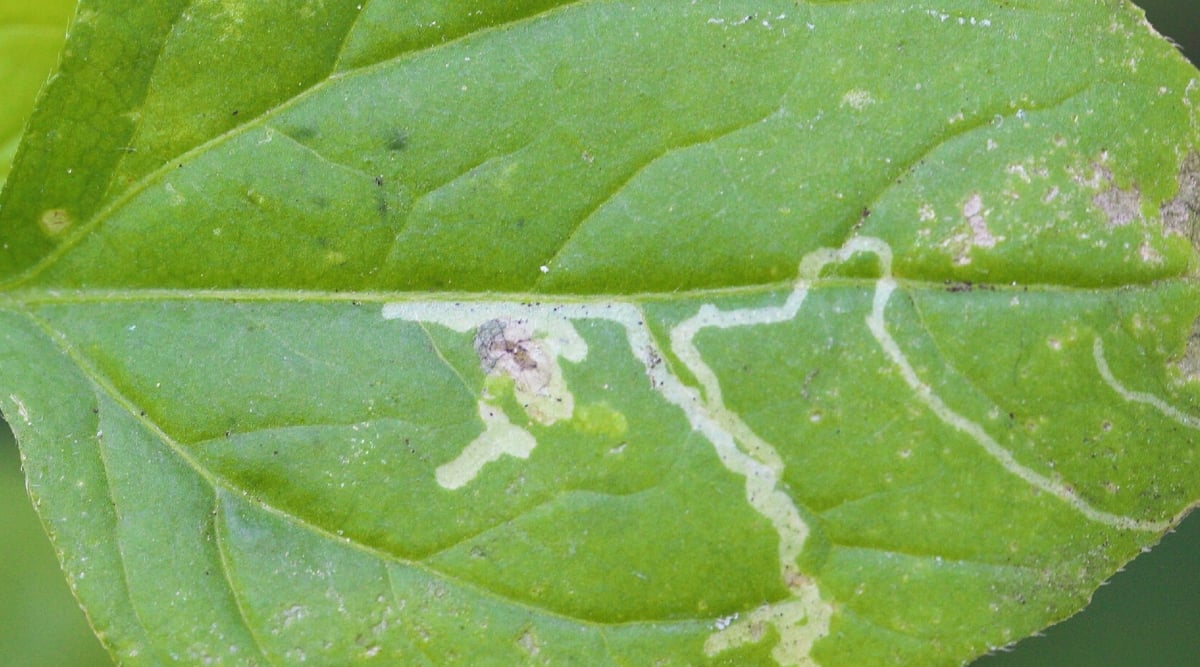
Theleaf mineris a small larva thatfeeds between the two layer of foliage material . If you see a whirlpool pattern appearing on the foliage , this is an indication of leaf miners . The only way to assure these miner is to absent infected plant material .
The honest defense is a good offense . furnish diverse habitatsfor predatory bug like ladybugs , the praying mantid , paper wasps , etc . , will keep these pests in check .
Diseases
solution rot is the primary disease that can pretend your coralbean . Root putrefaction symptomsappear as soft mushy bow , wilting , and ( as should be expected ) icky ancestor . This character of rot is operose to convalesce from . you could rectify it if the fresh , white roots on the industrial plant have not yet turn to slop .
Cut back the rotted roots and implant them into a pot of dry ground . To avoid this issue in the first place , be sure not to overwater your coralbean or let it pose in waterlogged soil . This boost the fungous growth that causes stem rot .
Final Thoughts
This native perennial is a lulu in growing zones 8 - 11 , and a beautiful yearbook in frigid regions . Grow coralbean if you ’d care to add sake to a borderline andattract hummingbirds and other pollinatorsto your garden . It is low care and drought tolerant and will hold out wide-ranging conditions .