Tanacetum coccineum
A painted daisy is trial impression that you ca n’t judge a Word of God by its covering . Or rather , that you ca n’t judge an effective bug - killer by its beautiful blooms .
We link up to seller to help you ascertain relevant products . If you corrupt from one of our links , we may bring in a military commission .
On the airfoil , Tanacetum coccineumis an utterly gorgeous perennial .

‘Robinson’s Red’
With its extremely striking hues , this daisy trulydoeslook painted , as if Georgia O’Keeffe herself took some cerise , pinkish , and/or purple pastel straightaway to the petals .
But contained within the flowers are pyrethrins : a group of naturally - occurring compounds which , when consumed , wreak mayhem on a bug ’s nervous system .
As a resultant role , bugs incline to steer clear of these tough boys , defecate the paint daisy a fine alternative for organic pesterer management .

‘Robinson’s Red’
Growing and caring for these flower is pretty simple , but a fusee will definitely give you a wooden leg up onT. coccineumcultivation . Hence , this templet .
Here ’s what you ’ll be getting into :
What You’ll Learn
What Are Painted Daisies?
Hardy in USDA Zones 3 through 7 and aboriginal to southwest Asia , painted daisies are a spectacular specie of herbaceous repeated efflorescence , belong tothe Asteraceae familyalongsidecosmos , dahlias , andmarigolds .
The painted daisy goes by other vernacular names , such as the pyrethrum , pyrethrum daisy , and Persian insect blossom .
In binomial nomenclature , former names includeChrysanthemum coccineum , C. roseum , andPyrethrum roseum .

Tanacetum coccineumhas a fun import . From the Greekathanasia – meaning “ immortality ” – comes the genus name , which cite the ageless nature of Asteraceae blooms .
The species namecoccineummeans “ reddish ” or “ deep red , ” a nod to the sometimes red petals .
Since many plant bear the name “ daisy , ” it ’s important to distinguishT. coccineumfrom the rest .

With an just , shaggy-haired , and clip-clop habit , these plant hit two to three foot magniloquent and one to one and a half feet wide at matureness . Flaunting a pleasantly gross aroma , T. coccineumproduces showy , three - inch - wide flower from June to July atop slender , stringy stems .
Unsurprisingly , these blooms have that pluckable daisy - alike aesthetic , with long and slender ray flower petal – unadulterated for recognize whether that special someone loves you or not .
The typically single , now and then double flowers have icteric centers and pretty petals that come in livid , red , pink , or purple hues .

flaccid , fern - like leave are grow in an alternate arrangement below the blooms , increasing in size of it and petiole length as you move down the stem .
gratefully , T. coccineumdoesn’t grow invasively or sharply … although the same ca n’t be said for its secretive relativeT. vulgare .
playfulness fact : T. coccineumcontains pyrethrins in its flowers , which are organic compound with hemipteron - killing property .

With a high toxicity to dirt ball and a humiliated perniciousness to birds and mammal , these pyrethrins over - stir a bug ’s nervous arrangement when ingested , which promptly top to the insect ’s palsy and last .
If you ’re supersensitized to members of the Asteraceae family – you in all probability are if you have a benweed allergy – then contact with the muggins or leaves of a painted daisy could cause a fleck of skin irritation .
It never spite to let out out yourhandy horticulture glove !

Cultivation and History
The cultivation of pyrethrum daisy for its insecticidal properties cross century , with records of its usage going all the way back to ancient China ’s Chou dynasty in the first century CE .
The Dalmatian pyrethrum , akaT. cinerariifolium , is cultivated for its pyrethrins more commonly in commercial-grade product thanT. coccineum .
A dissolving agent is used to extract these from the dead flower head .

While both specie contain significant amounts of pyrethrins , T. cinerariifoliumhas far higher concentrations , make it more effective in yield insect powder .
In the type of paint daisy , the insect powder derive from this coinage has a long story of use in the Caucasus Mountain area , and the daisy was once usually bonk as “ Caucasian insect - powder plant . ”
The topical anesthetic recognise the power of their insect powder , and sold it to foreigner at high prices while keeping its true botanical stock a secret … until the other 1800s , at least .

At that time , anArmenian merchant known as Mr. Jumtikofflearned where the insect gunpowder came from and how it was made . In 1828 , his Logos begin declamatory - scale production .
By the mid-1800s , Caucasic worm powder had reached central Europe , withanothermerchant taking citation for the absolute majority of its succeeder in the market : the German - born Johann Zacherl .
He sourced the bloom from rural Caucasic communities , ground it up in what ’s now the advanced - Clarence Shepard Day Jr. nation of Georgia , then pimp the processed powder in the Austrian metropolis of Vienna , trade it as “ Zacherl ’s Insect Killing Tincture , ” or “ Zacherlin . ”

By 1880 , Zacherl ’s Word had take over the firm , and replaced paint daisy with the more pyrethrin - denseT. cinerariifolium .
Its higher engrossment of louse - kill compounds makes the Dalmatian pyrethrum the more lucrative choice for pesticide product .
In the New - twenty-four hour period , pyrethrum is commonly used as an constituent pest direction tool among both commercial-grade Fannie Farmer and amateur gardeners .

And after studying its modes of action , scientists have actually been able to synthesizepyrethroids , a manmade vis-a-vis to au naturel pyrethrins .
All of this we owe , in part , to the low painted daisy .
Propagation
Want some painted daisies of your very own ? Then you ’ll have to grow them from seed , procure divisions , or acquireT. coccineumtransplants .
From Seed
Seeds can be sown directly out of doors after your area ’s last frost date . instead , you’re able to actually seed them indoors four to six weeks before the final frost , if you ’d like a head beginning .
For indoor sowing , fill a cell tray with a 50:50 commixture of sphagnum peat moss and perlite .
Sow one seed per cell , and gently cover each with about an eighth of an column inch of media . Moisten the soil , set the tray near a sunny windowpane , and maintain ambient temperature of 60 to 70 ° fluorine .

keep moist sensitive all the while , and sprouting should occur in about two to four weeks .
After the final frost appointment passes two to four workweek later , indurate off the seedling alfresco by leaving the tray outdoors for 30 to 60 minute before wreak it back indoors .
Add an additional one-half to full hour of pic each following solar day until your seedling can survive a full sidereal day outside .

At this point , you may transfer the seedling directly into the ground or into their own three - inch pots , keeping the media moist until they become established .
If you wanted to inseminate directly alfresco from the get - go , then plant groups of four seeds into well - draining garden soil after the final frost date in spring .
infinite these seed groups about 18 to 24 in apart , overlay them with an eighth of an in of soil , and moisten in the soil . Keep it damp as the seedling grow and develop .

For fresh - sown , in - ground groups of four seeds , sprouting should occur in two to four weeks .
As they come forth from the ground , thin out the seedling until you ’re finally left with the strong one in each group .
Keep the media moist around the winning seedling until they become established .

Via Division
After the last frost day of the month in spring , carefully dig up a matureT. coccineum .
Working over a tarpaulin or overspread - out newspaper , use your hired hand or a abrupt vane to carefully carve up the specimen into two or four daughter plant , with foliage and roots intact .
you’re able to now transplant them into new spots in the garden !

Via Transplanting
Whether it ’s with a divided daughter industrial plant , a harden - off seeding , or a purchased specimen , transplanting a painted daisy is pretty well-heeled .
fix well - draining planting sites with a pH of 6.0 to 7.0 . Space these site 18 to 24 inches asunder , and ensure that they get full sunlight or partial shade .
Come transplant fourth dimension in post - frost outpouring , get the picture holes about as deep and a bit wider than the transplant ’ root systems .

localise the transplants in the mess , backfill , and irrigate them in . Keep the graft sites moist until launch .
How to Grow
Now that your painted daisies are growing in their new homes , it ’s time to keep them well-chosen with proper culture !
Climate and Exposure Needs
To survive the extremes of wintertime and summertime , these plant should be grown in USDA Hardiness zone 3 to 7 .
Full sun is best for flowering , but specimen in more southern climates could do with a bit of afternoon shade .
In windy climate , stakingT. coccineummay come in ready to hand to keep the slender stem from flopping over .
Soil Needs
As long there ’s seemly drainage , a paint daisy is n’t too particular about its soil . When it comes to qualities such as texture and rankness , shoot for “ restrained ” or “ average ” over any extremes .
Same affair pass for pH – a slightly acidic to neutral range of 6.0 to 7.0 works well .
Water and Fertilizer Needs
Irrigation - wise , keep it temperate by deeply water whenever the top inch or two of soil feel dry to the sense of touch .
Throughout the growing time of year , a monthly software of balanced plant food will help fulfil the plant ’s nutritionary needs .
Jack ’s Classic Fertilizer

A suitable product for the job would be this 20 - 20 - 20 NPK pee - soluble fertilizer from Jack ’s Classic , available on Amazon .
Growing Tips
Pruning and Maintenance
When the plants are six to eight inches marvelous , pinching back unexampled growth by a third in spring can stimulate profuse unfolding and a bushier shape overall .
After the first bloom , promptlydeadhead spent flowersto encourage a 2d flush of bloom .
Adding a brace inches of mulch to the root zone around your plants is also a smart move – it ’ll keep up soil wet , isolate the roots , and protect say root from physical damage .

Cultivars to Select
The nerveless affair about cultivar is that they offer multiple different aesthetics within a exclusive species . Here ’s a few ( with playfulness people ’s name calling ! ) that I ’m sure you ’ll love :
Brenda
Ca n’t resolve between red and purpleness ? With its beautiful , magenta - shaded single blooms , the ‘ Brenda ’ cultivar is the thoroughgoing blend of the two hues .
Reaching a ripe top of two feet , ‘ Brenda ’ is indisputable to bring well-chosen vibes … unless you have an ex named Brenda , in which case it might bring the mood down a bit .
James Kelway
Red and yellowish is one of my preferred color mating , so ‘ James Kelway ’ was a full shoo - in for my listing of epic cultivars to dwell on .
Founder of Kelways Nursery in Somerset , Englandin 1851 , James Kelway specialize in delphinium , gladioli , peonies , and pyrethrums .
preface in 1890 , ‘ James Kelway ’ flaunts striking red petals , which egress from a bright icteric plaza .
With a mature height of about two feet , ‘ James Kelway ’ bloom ca n’t help but seize your attention , especially when reckon with the green backdrop of its foliage .
‘ James Kelway ’
To buy ‘ James Kelway ’ in # 1 - sized containers , lead on over to Nature Hills Nursery .
Mrs. James Kelway
Much like the way “ Ms. Pac - Man ” added unpredictability and variation to plain ol’ “ Pac - Man , ” ‘ Mrs. James Kelway ’ has an add element of change that ‘ James Kelway ’ lacks .
Starting off ointment - tinge , ‘ Mrs. James Kelway ’ petal actually wrick a pale pink over time . When watch over the course of its life , this two - ft - tall mantrap is much two plants in one !
Managing Pests and Disease
In spite of its dainty beauty , a paint daisy is tough . But there are a few potential threats that could have some problems , especially in the plant ’s youth . rent ’s refer on them a bit .
Herbivores
Not too much to vex about in the plant - crunch mammals department . As a issue of fact , T. coccineumis resistant to deer !
Insects
BecauseT. coccineumflowers have insecticidal properties , fledged plants are n’t typically bothered by insect , and can actually be lend to the landscape to keep hemipteran off from nearby plantings .
Young plant , however , might be pestered a bit by aphid , chrysanthemum nematodes , or leaf miner .
flow on the fool within flora tissues , these soft - bodied insects can leave behind afflicted plants with stunted increment , wilting , and geomorphologic damage associated with feeding .
aphid also excrete honeydew melon , which can lead to the maturation ofblack sooty mold .
Normally , potent blasts of aphid - dislodging water would be recommended .
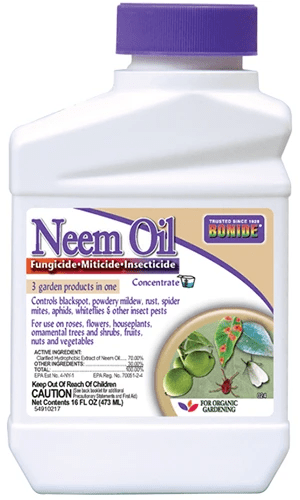
But since juvenile paint daisies are n’t exactly built like tanks , physically gentler control via insecticidal Georgia home boy or neem oil is idealistic .
Natria Insecticidal Soap
This 24 - ounce nursing bottle of Natria insecticidal soap isavailable via Amazon .
Bonide Neem oil colour
Ready - to - spray neem oil from Bonide issold at Arbico Organics .
Learn more about cope aphids in our template .
Chrysanthemum nematodes – or species of foliar nematode worm from theAphelenchoidesgenus – attackspecies ofChrysanthemumand its Asteraceae relatives such asT. coccineum .
Often spread via infested yet asymptomatic specimens , chrysanthemum nematode worm stimulate yellow , brown , and/or black patches on leaves .
Since the nematode ca n’t move through leaf veins , these patch will often have clearly - defined molding .
Subsequent symptoms let in leafage torture , desiccation , browning , and sag . Fed - upon bud may produce deformed folio or fail to blossom .
To prevent chrysanthemum nematode infestation , only introduce healthy specimens into your garden and keep adjacent areas clear of leaf detritus , as nematode worm can last for up to three age in deadened foliage .
Mulch to restrict nematode movement up and out of the dirt . If infestation occurs , get rid of and destroy infested specimen .
Living and feeding within leaves as they senesce , “ folio miners ” are a group of gadfly that may let in an potpourri of beetle , wasp , and sawflies in the larval stage .
As a answer of their munching , leaf miners leave ugly , whitish eat trails in their backwash , which can mix into larger , even horrible blotch . In addition to reduce aesthetics , this damage also impacts photosynthesis – no bueno .
Infested foliage should be promptly removed from the plant life and destroyed . Spraying spinosad on the leaves will kill any larvae present in a thing of days .
Bonide Captain Jack ’s Deadbug Brew
Bonide - brand spinosad is available in quick - to - spray bottles or as a concentratefrom Arbico Organics .
get word more about how to manage leaf miners in our unadulterated guide .
Disease
Pathogen - wise , a painted daisy essentially has no serious concerns . But here ’s one consideration to be wary of : etymon decomposition .
If spare water and/or poor soil drainage deprives a plant ’s roots of oxygen , the antecedent will begin to turn necrotic . As you may guess , that does n’t leave the aboveground shoot too well off .
Without a support system of healthy root , shoots will begin to exhibit symptoms such as stunted growth , chlorosis , or sphacelus . Yup , that last one is dying .
Prevention is key here – do n’t overwater , and be sure to provide ample soil drainage .
If source decompose ever hap , you’re able to wait to see if the specimen recovers with right irrigation and drainage . You might opt to repeal the plant and move out any rot root word before replant .
If the majority of the ancestor are waste , the plant ’s odds of survival are slim . If its end is nigh , pitch the flora and take this as a lesson learned for next meter .
Best Uses
Whether grown in acottage garden , amass or grouping , as a border , or even in a butterfly stroke garden , paint daisy reach a powerfully colorful statement , exclaim “ I look absolutelyfine . ” And rightfully , it does .
CutT. coccineumflowers wait stunning in arrangements – their magniloquent and slender shape make them the perfect scene for tall and slim vases .
For some easy pest direction that couldn’tbemore organic , try planting these guys wherever youdon’twant bugs to hang out .
Quick Reference Growing Guide
You’ll Go Crazy for the Painted Daisy
Not in any diagnosable way , mind you … although a overzealous ardor for this plant may raise a psychologist ’s eyebrow .
But if the lounge doctor has an ounce of botanical appreciation , then they ’ll understand the enthusiasm .
The soft forethought and splashy colors ofT. coccineumtruly make the painted daisy a million - dollar standout for gardeners in USDA zona 3 to 7 .
And not only is it a beautiful accession to the landscape , it can pay its caretaker back by repelling bug , from both itself and nearby plant life !
Want even more daisy - growing tips ? Check out some of our other grow guides next :
© inquire the Experts , LLC . ALL RIGHTS RESERVED.See our TOSfor more item . earlier published on April 1 , 2019 by Gretchen Heber . Last update April 29 , 2023 . Product photos via Arbico Organics , Bonide , Jack ’s Classic , Natria , and Nature Hills Nursery . Uncredited photos : Shutterstock .
About
Joe Butler
