CLIMBERS > CLEMATIS > trouble
IN THIS GUIDE
CLEMATIS GUIDES

ArmandMontanaProblemsShaded VarietiesTraining
Clematis are democratic climbers that can get hold a place in many UK garden .
They can often be the right plants for the right places and thrive in our clime and most different conditions that we can provide .
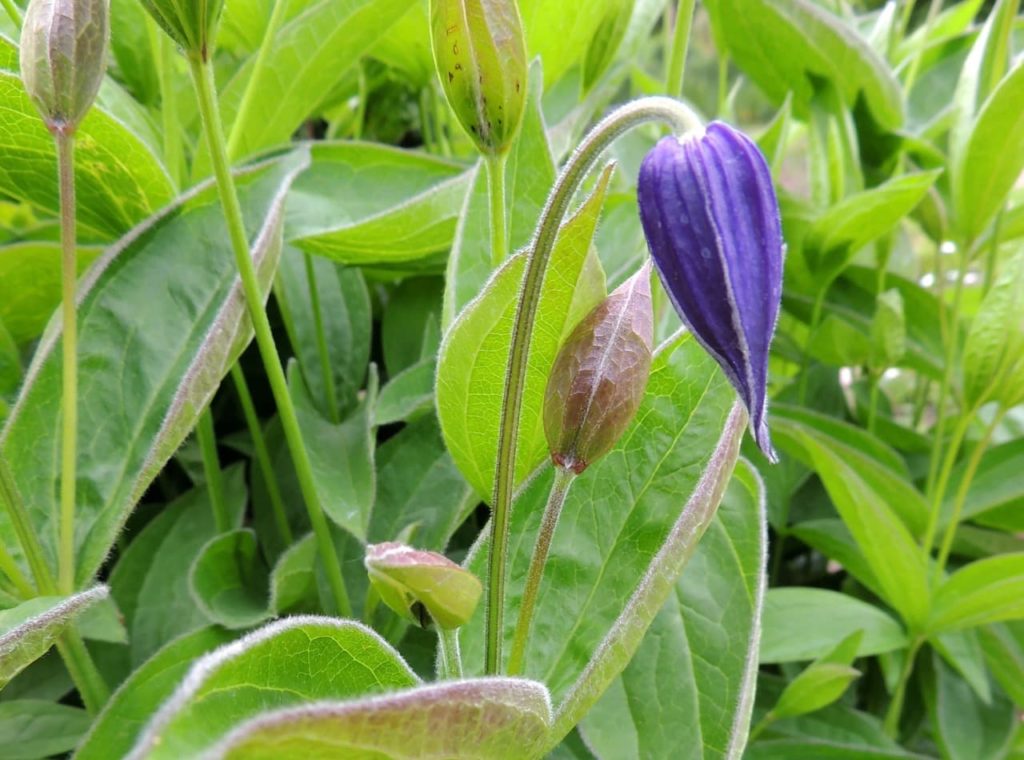
However , certain growing problems can arise – and troubleshooting those job will ordinarily necessitate observation science ; then attempt to figure out out the root causal agent for fix them .
We take a feel at some of the most mutual symptoms of issues that can arise when rise Clematis , including :
If you have encountered one or more of the military issue above , read on to learn more .

1) Shoots Wilting & Dying Back
Sometimes , slugs and snails may feed on clematis stems , leaving them feeble , pale and silvery in hue .
untested shoots may be damage enough to wilt and die back .
alas , shoots that are wilt and dying back at the tips could also be a sign of a much more serious problem .
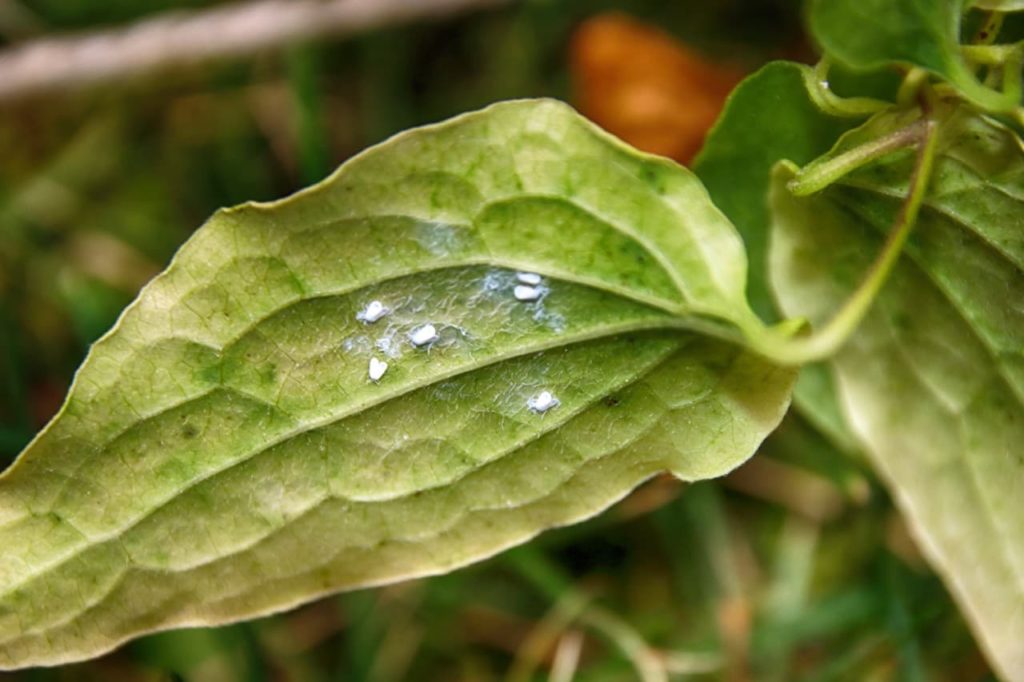
These symptoms can denote a problem with the roots and could be stimulate by diseases such as Phytophthora root rotor coil honey fungus .
In container plant , stem may be damage by vine weevil grubs .
Overwatering or waterlogging due to using too large a container or having miserable drainage can also lead to roots rotting .
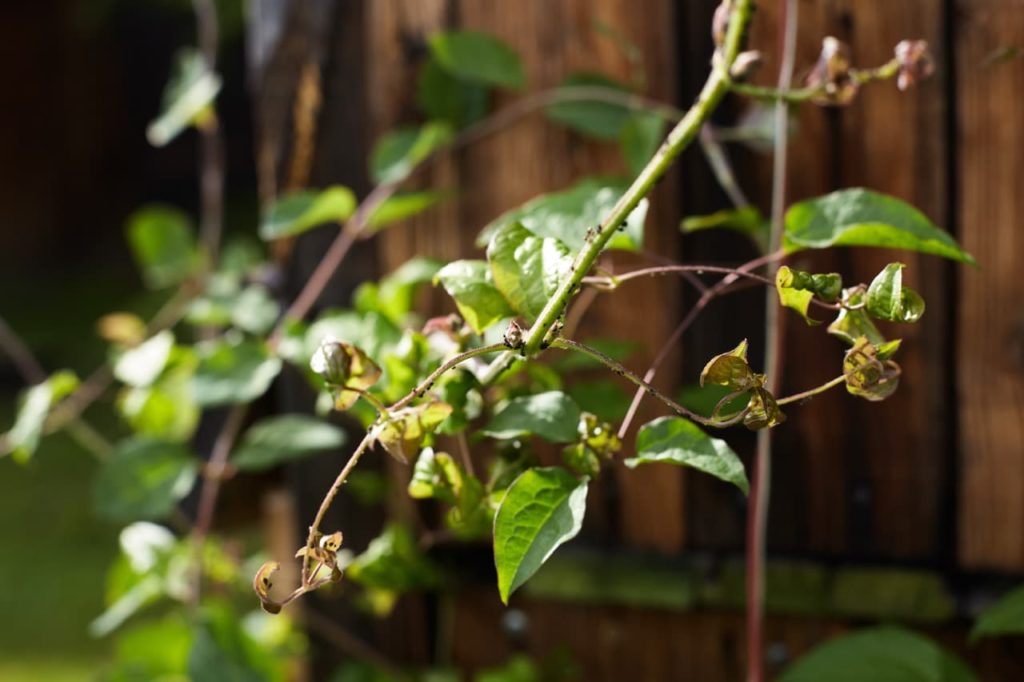
Sometimes , a clematis may also have shoot that wilt and die back at the tips when the dirt or growing mass medium is too dry and red-hot .
“ Although they have it away sunny conditions , consider sheltering their roots with a roofing tile or other planting and remember that establishing Clematis are thirsty industrial plant , ” share Master Horticulturist Peter Lickorish .
With big - flowered clematis hybrids , a fungal disease called clematis wilt disease could also be the problem .

However , do n’t leap to the conclusion that this is what it is before you have ruled out the other likely issues above , as many coinage of clematis are resistive to clematis wilt.1Clematis wilting / RHS Gardening . ( n.d . ) . Royal Horticultural Society . Retrieved May 10 , 2023 , fromhttps://www.rhs.org.uk/disease/clematis-wilt
2) Stems Emitting A Stinky Ooze
If one of the stems of a clematis industrial plant has give out back and a stinky gook is coming from it , this is likely a problem shout out clematis ooze flux.2slime flux . ( n.d . ) . Clematis on the Web . Retrieved May 10 , 2023 , fromhttps://clematisontheweb.org/new-disease-slimeflux.cfm
This is a bacterial disease that can be fatal but , fortunately , it is potential to write the plant by pruning out the affected area .
Early signs of this problem include yellowing and wilting leave in spring and early summer , often just on a part of the plant life .
Occasionally , the clematis might neglect to flick out in the outflow altogether .
The problem arises when a radical has been damage and bacterium has got in .
protect flora from cold farting can help avoid this issue .
3) Leaves Coated With Grey Growth
One of the most vulgar problem experienced when growing clematis is powdery mold .
This is a fungal job which causes a whitish - gray-haired , dusty coating to appear on leave , stems and blossom .
Powdery mildews strike a across-the-board range of different flora , clematis include , and while a balmy contagion might not harm the plant too much , a severe one can dramatically cut back growth and vigor .
“ Powdery mildew can be an progeny , particularly in fresh found clematis , ” sharesPeter Skeggs - Gooch , the owner of Thorncroft Clematis & Climbers .
“ This strikes while the root can not sustain all of the top growth the plant has built up and can be rectified by pruning back the plant by as much as one-half and water generously .
“ Add Epsom Salts to the pee once every couple of week for 1 calendar month to ameliorate plant health . ”
As bring up above , dress out move shoot right away to prevent the problem from spreading and crystalize up and cast out carefully of all fallen leaves to dilute the number of infectious spores in the neck of the woods .
“ Too much shade and poor flow of air can exacerbate the problem , along with plants suffering accent for a variety of reason – such as not enough room for their generous root organization , ” say Peter .
4) Leaves With Holes In Them
If you find hole in the leaves of your clematis , then a number of insects can be to blame .
great deal of unlike species feed on these plant , including slugs and snails , earwigs and a act of moth cat .
“ I would say the most common problem is damage from slugs on the brand new shoot in the leaping , ” saysMarcel Floyd , the Owner of Floyd ’s Climbers and Clematis .
If young leaves have torn edge and little , browned - edged holes , then you might have a problem with capsid bugs .
Work on boosting biodiversity , as natural predation is broadly speaking the best means to deal with pests in any organic garden .
5) Leaves Curled & Sticky
Curled and sticky leaves on clematis are most likely to be signs of an aphid infestation .
The honeydew that these aphids excrete can also lead to sooty mold growth on your plants .
Aphids in a garden are not a trouble per se , but they can be elusive if their numbers get out of control .
So , again , boost biodiversity and pull natural aphid predator , including ladybirds and blue tits , to your garden to keep everything in proportion and aphid numbers under ascendency .
6) Failing To Flower
If a clematis conk out to flower , this is typically due to some problem with the environmental condition .
Make certain that you have met the various environmental needs of the clematis you are raise .
Generally , clematis needs moist but well - drain soil .
They need to have their roots cool and shade , but Sunday for the upper serving of the plant .
Too much shadiness can inhibit ontogenesis and florescence , so check that your clematis has enough light , but cool shade for its radical .
“ Young Clematis can be delicate , so I advocate keeping recently buy or propagated unseasoned plant in generous , but not too great , pots until they have a few well - developed stems reaching at least 30 - 40 centimetre , ” advise Peter .
“ This allows them to be planted around 5 cm rich than their level in the pot , which aid establishment and is a unique trick to Clematis .
“ Planting them out at this microscope stage help them rise above dim borders – I have known them to merely be smothered and snuffed out by other plants if they ’re not well launch when plant . ”
If environmental proceeds are not to charge , the lack of blooming on a clematis might be due to wrong pruning .
Pruning at the ill-timed clip might mean that you may have accidentally removed the part of the plant from which the flowers would commonly develop .
If the clematis is in a perfect maculation and you have not dress wrongly , nutrient lack might be to blame and you may ask to cut into deeply into the nutrient cognitive content of the land for work out out what your works is possibly pretermit .
There are , of grade , other thing that can go untimely when growing Clematis .
However , looking at the issues above will often help you find the cause of any growing problems or issues .
